
Your Next PR Starts Tonight (Literally)

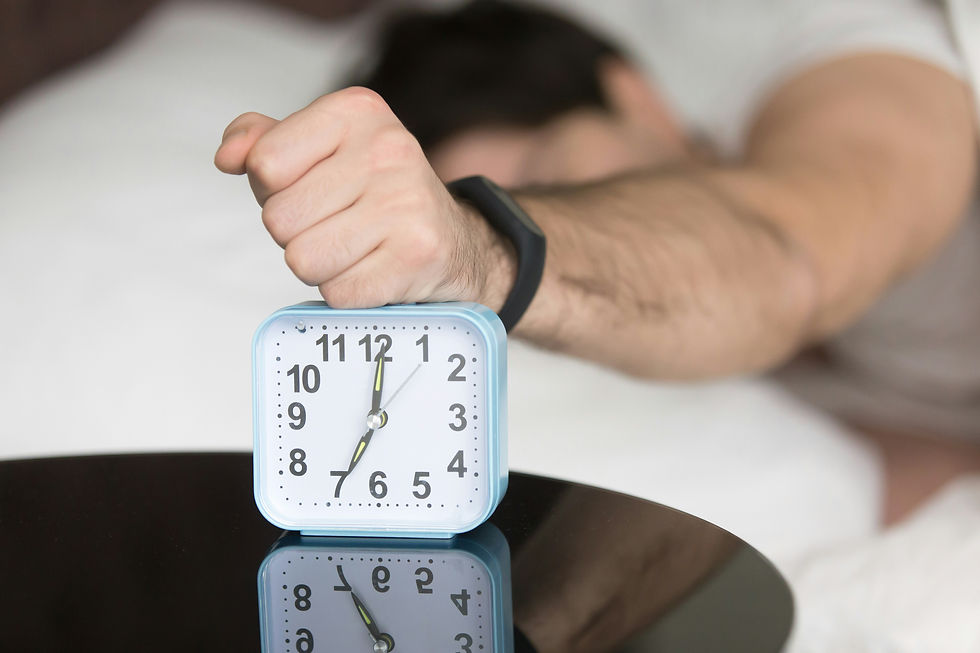
Sleep: The Most Underrated Performance Tool You’re Ignoring
Most people focus on workouts, macros, supplements, or the “perfect” training split.
But the fastest way to improve performance right now is something you’re probably overlooking:
Your sleep.
It drives recovery, hunger, hormones, discipline, mood, and overall performance more than almost anything else.
Sleep is the original performance enhancer—and most people treat it like an optional add-on.
The Fitbit That Changed Everything
In 2012, I walked into Best Buy and bought my first Fitbit.
Not for steps.
I bought it to track my sleep.
Back then, I thought sleep was important… but more in a “yeah, I should get more of it” kind of way.
Then I started to dig into my sleep data.
The lightbulb moment hit hard:
My training wasn’t just limited by my effort—my recovery was holding me back.
But here’s the part that really changed my life:
I didn’t fully understand how much sleep impacted me until I started building the habits you’re about to read—sleep hygiene, tracking trends, and prioritizing recovery the same way I prioritize training.
Once I made these changes, everything improved.
My strength. My runs. My mood. My hunger. My discipline.
If you want something that will improve your performance right now, not months from now—it’s sleep.
Lesson #1: Why Sleep Matters More Than You Think
Sleep affects every system in your body that influences performance.
Recovery
Muscle repair
Growth hormone release
Reduced inflammation
Strength and endurance adaptations
Cognitive Function
Decision-making
Motor control
Emotional stability
Focus for lifts, runs, and daily life
Hormones
Better testosterone regulation
Lower cortisol
Hunger control (ghrelin/leptin)
Your training is only as good as your recovery… and sleep is where recovery happens.
Lesson #2: The 3 Biggest Sleep Killers
If you fix just these three, you’ll see immediate improvements.
1. Alcohol
Even 1–2 drinks crushes REM and HRV.
You’ll fall asleep fast but recover poorly.
2. Screen Time
Late-night scrolling delays melatonin and keeps your brain wired.
3. Stress & Irregular Bedtimes
Your nervous system loves consistency.
Chaos at night = chaos in your sleep cycles.
Lesson #3: Tools That Actually Help You Sleep Better
Use tech to work for you, not against you.
Smartphones
Bedtime mode
Blue light filters
Wind-down reminders
Wearables (Fitbit, Whoop, Garmin, Apple Watch)
What matters is consistency, not the brand.
Apps
Calm/Headspace
Sleep Cycle
Rise
Any journaling app to offload stress
Environment Tools
Blackout curtains
Fans / cooling devices
White noise
A good mattress
Small tools → big sleep upgrades.
Lesson #4: What Data Actually Matters
Ignore the complicated charts. Track these:
1. Total Sleep Time - Your target: 7–9 hours.
2. Consistency - Bed + wake time within 1 hour every day.
3. HRV - Higher HRV = better recovery.
4. Resting Heart Rate - Should stay low and stable.
5. Awakenings - Frequent wake-ups = poor quality sleep.
Measure trends—not single nights.
Lesson #5: Your Actionable Sleep Plan (Do This Tonight)
1. Set a “Reverse Alarm”
One hour before bed, everything slows down.
No screens. Lights dim. Start your routine.
2. Create a 5-Minute Wind-Down Routine
Pick one:
Light stretching
Reading
Breathing exercises
Journaling
3. Cool Your Room
Ideal: 60–67°F.
4. Limit Alcohol 3–4 Hours Before Bed (best is none)
5. Track Your Sleep for 7 Nights
Look for patterns. They tell you everything.
If you want an immediate performance upgrade, this is where you find it.
Take Action Tonight!
If you’re serious about getting stronger, running faster, recovering better, and feeling more in control of your life… start with sleep.
Before you overhaul your workouts or chase the perfect macro ratio, fix the one thing that multiplies every other effort:
Sleep is the cheat code.
Use it.


Comments